
Meta pulled the plug on ByteDance advertising across its apps this week. If you buy media on Instagram or Facebook — or you send paid traffic to TikTok — here is what changed and what to do about it.
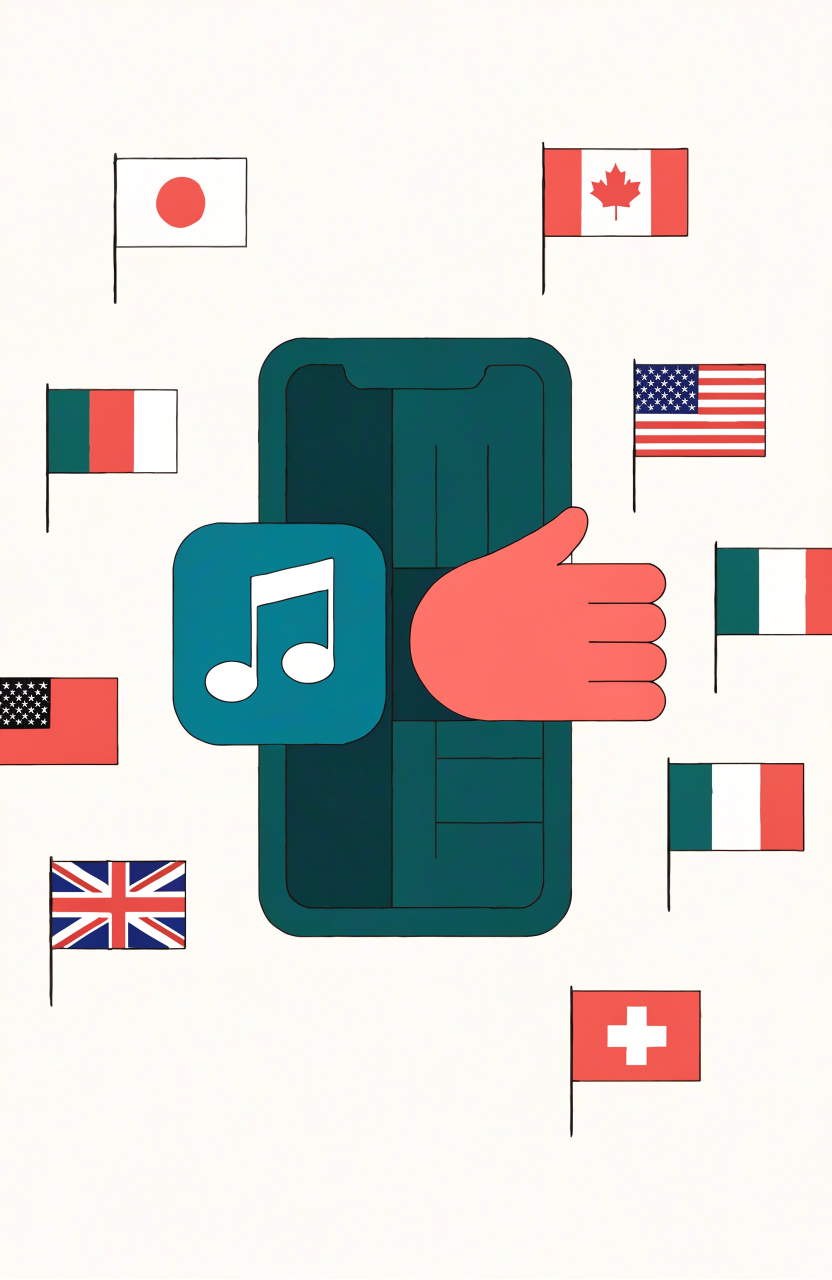
On Thursday, Meta banned advertisements from ByteDance — TikTok’s parent company — across Facebook and Instagram, effective immediately in the United States, Canada, Egypt, Indonesia, Japan, Thailand and Vietnam. The restriction does not stop at TikTok’s own buying accounts: third-party campaigns whose ads deep-link into TikTok or other ByteDance apps are also caught in the net.
Meta’s defence was blunt: “We don’t have to run ads from a competitor whose goal is to pull people off our apps.” TikTok and ByteDance did not immediately respond.
Why now
This did not come out of nowhere. After the $18 billion settlement between Meta and a coalition of US states over teen-safety claims, Meta publicly urged TikTok and YouTube to adopt comparable teen-safety measures. TikTok rejected the demand and removed dedicated Instagram links from its own app. The advertising ban is the next escalation in a rivalry that has been building since Reels launched as a TikTok clone and grew into the format that now carries most of Instagram’s watch time.
There is also a reading of this that is purely commercial. TikTok has grown into a serious advertising business — its US arm this week commissioned research claiming $81 billion in economic value across jobs, small businesses and consumer learning. Every dollar of brand budget that moves to TikTok is a dollar Meta can credibly argue is being funded by its own inventory. Banning the competitor’s ads is the cheapest possible defence margin.
Who is actually affected
Read the ban carefully and three groups emerge:
- ByteDance’s own buying teams. TikTok, CapCut and other ByteDance apps can no longer advertise on Meta surfaces in the seven named markets.
- Brands running TikTok-first campaigns. If your agency runs a single creative across platforms and the Meta versions deep-link to tiktok.com, those links now violate policy. Auditors at Meta have historically enforced this kind of rule slowly, then all at once.
- Affiliators and dropshippers. The wave of Meta ads that send traffic to a TikTok Shop product page or a Linktree-style landing page dominated by TikTok content is exactly the pattern the third-party clause targets.
What advertisers should do this week
First, audit your destination URLs. Pull every active Meta campaign and flag any final URL on a ByteDance domain, plus any landing page whose primary call-to-action is “watch us on TikTok”. Swap the destination to an owned property — your site, your product page, your Instagram-native lead form.
Second, check your agency contracts. If you work with a performance shop that runs both platforms under one media plan, ask them in writing how they are handling the third-party clause. You want the answer before a disapproval, not after an account review.
Third, don’t over-correct. The ban is geographic and it is specific to ByteDance. It says nothing about YouTube ads, nothing about creator whitelisting, and nothing about organic TikTok content. Keep your TikTok presence; just stop paying Meta to rent you a doorway into a competitor’s house.
The bigger picture
Platforms banning competitor advertising is not new — Apple has effectively done it for years, and OpenAI has recently restricted competitor ads on its own surfaces. What is new is the scale and the candour. Meta is no longer pretending the attention economy is a polite market. As the feed wars mature, the ad auction itself becomes a weapon: the platforms you buy media on are also the platforms that decide whose ads you are allowed to see.
For marketers, the practical lesson is older than any of this: own your destinations. Every time you pay a platform for traffic and hand that traffic to another platform’s app, you are paying rent twice. This week, the landlord raised the price.